stories from the citadel
Will there be a list of stories to select from?

It may be stating the obvious but the Halifax Common you see today looks quite different now from how it looked three hundred years ago. And not just because it is now surrounded by tall buildings with many vehicles rushing by its borders. No, the Halifax Common is radically different because it is no longer wet, swampy land with a large brook running through.
The Mi’kmaq lived in Nova Scotia for thousands of years prior to colonization. When the British began construction of Halifax in 1749 it permanently disrupted the Mi’kmaq’s traditional use of the waterways and wetlands for travel by canoe, fishing, gathering and hunting moose, beaver and duck.
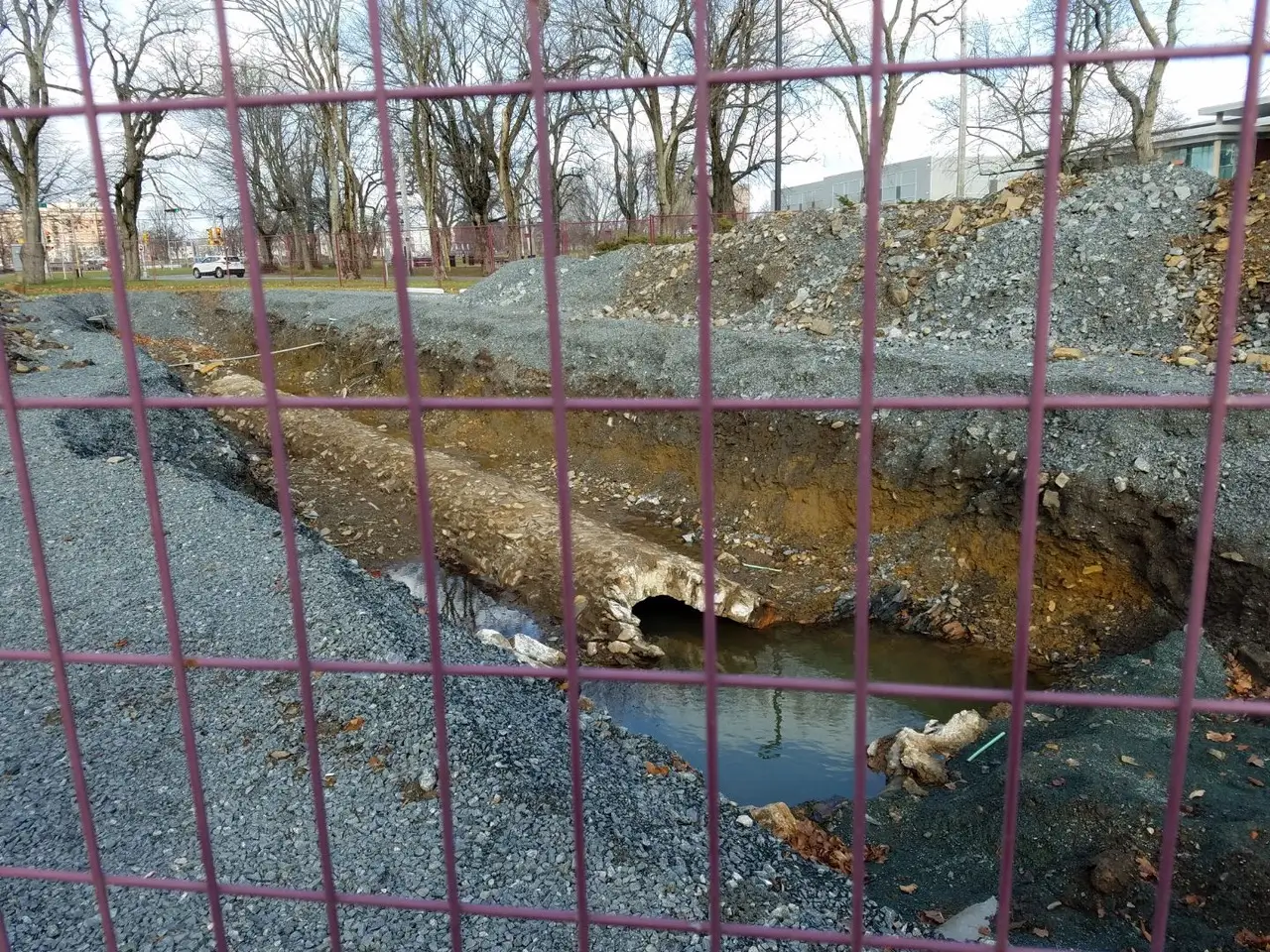
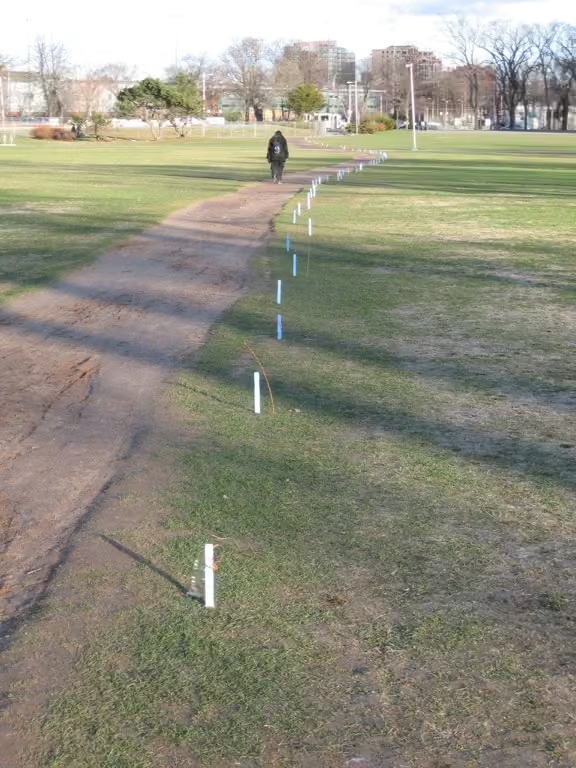
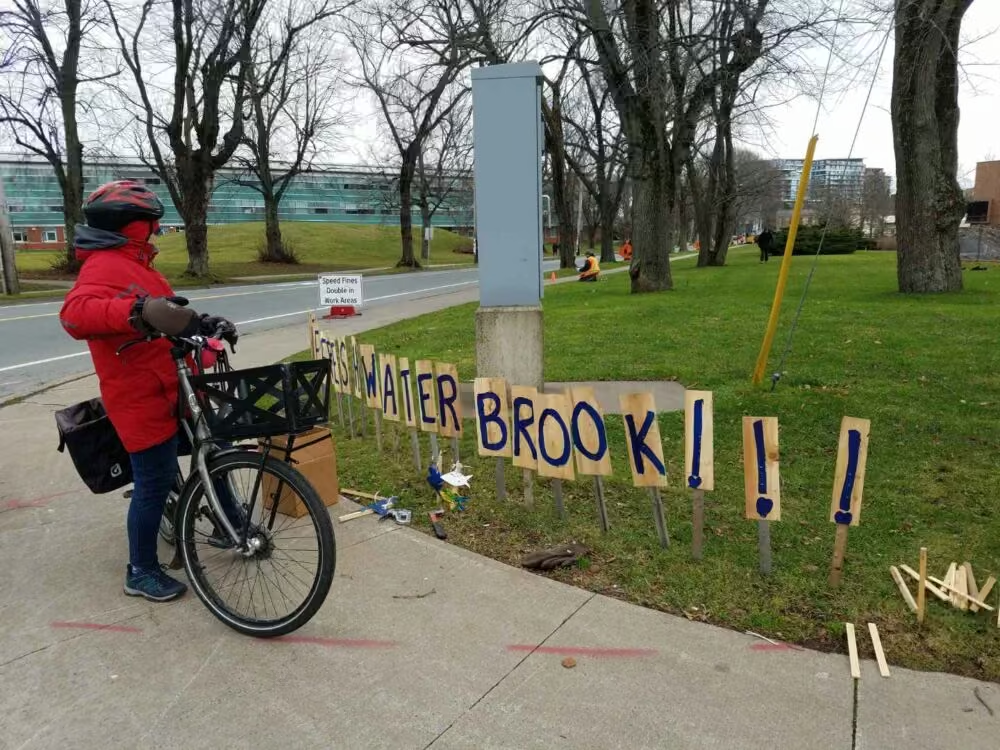
While we think of Halifax as the city built on rock, when the British arrived there was approximately 83 hectares of wetlands and approximately 78 kilometers of rivers and streams throughout the peninsula. One of the largest sources of fresh water in Halifax was Freshwater Brook which originated in the north end and flowed southward through the North and Central Common. It eventually emptied into the harbour near the bottom of Inglis Street.
It may be stating the obvious but the Halifax Common you see today looks quite different now from how it looked three hundred years ago. And not just because it is now surrounded by tall buildings with many vehicles rushing by its borders. No, the Halifax Common is radically different because it is no longer wet, swampy land with a large brook running through.
The Mi’kmaq lived in Nova Scotia for thousands of years prior to colonization. When the British began construction of Halifax in 1749 it permanently disrupted the Mi’kmaq’s traditional use of the waterways and wetlands for travel by canoe, fishing, gathering and hunting moose, beaver and duck.
While we think of Halifax as the city built on rock, when the British arrived there was approximately 83 hectares of wetlands and approximately 78 kilometers of rivers and streams throughout the peninsula. One of the largest sources of fresh water in Halifax was Freshwater Brook which originated in the north end and flowed southward through the North and Central Common. It eventually emptied into the harbour near the bottom of Inglis Street.
It may be stating the obvious but the Halifax Common you see today looks quite different now from how it looked three hundred years ago. And not just because it is now surrounded by tall buildings with many vehicles rushing by its borders. No, the Halifax Common is radically different because it is no longer wet, swampy land with a large brook running through.
The Mi’kmaq lived in Nova Scotia for thousands of years prior to colonization. When the British began construction of Halifax in 1749 it permanently disrupted the Mi’kmaq’s traditional use of the waterways and wetlands for travel by canoe, fishing, gathering and hunting moose, beaver and duck.
While we think of Halifax as the city built on rock, when the British arrived there was approximately 83 hectares of wetlands and approximately 78 kilometers of rivers and streams throughout the peninsula. One of the largest sources of fresh water in Halifax was Freshwater Brook which originated in the north end and flowed southward through the North and Central Common. It eventually emptied into the harbour near the bottom of Inglis Street.

It may be stating the obvious but the Halifax Common you see today looks quite different now from how it looked three hundred years ago. And not just because it is now surrounded by tall buildings with many vehicles rushing by its borders. No, the Halifax Common is radically different because it is no longer wet, swampy land with a large brook running through.
The Mi’kmaq lived in Nova Scotia for thousands of years prior to colonization. When the British began construction of Halifax in 1749 it permanently disrupted the Mi’kmaq’s traditional use of the waterways and wetlands for travel by canoe, fishing, gathering and hunting moose, beaver and duck.
While we think of Halifax as the city built on rock, when the British arrived there was approximately 83 hectares of wetlands and approximately 78 kilometers of rivers and streams throughout the peninsula. One of the largest sources of fresh water in Halifax was Freshwater Brook which originated in the north end and flowed southward through the North and Central Common. It eventually emptied into the harbour near the bottom of Inglis Street.